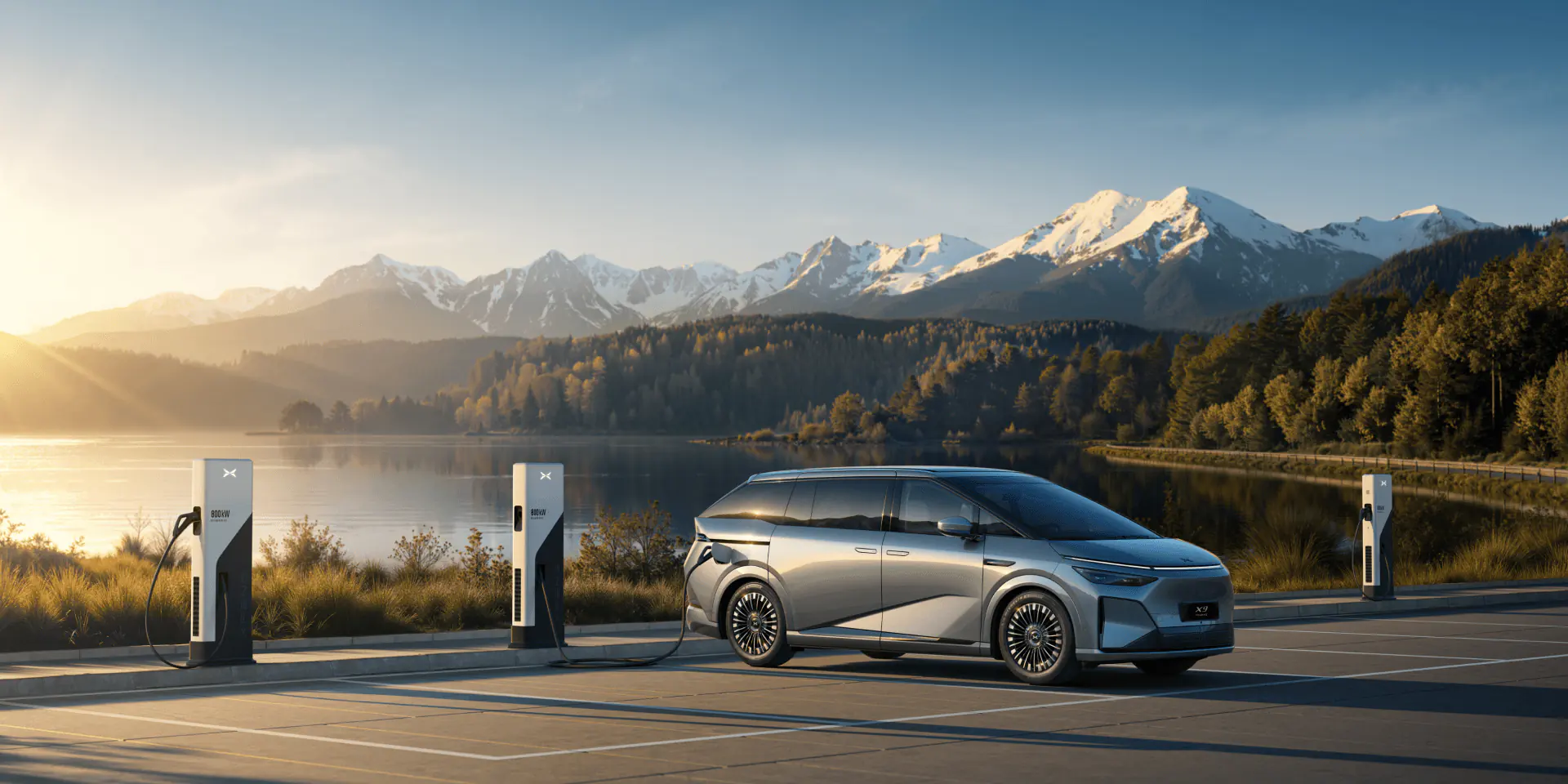
Charging
Three connectors. Only some of them are yours.
Armenia’s charging network grew around imported cars from two different worlds. Chinese-market vehicles arrive with GB/T; European-specification cars use CCS2 for fast charging and Type 2 for AC. Getting this wrong is expensive and cannot be undone after delivery.
CCS2
DC fast charging, European specification
The standard European-market cars use for rapid charging. A CCS2 car also charges on Type 2 AC through the same socket.
Type 2
AC charging
The everyday connector: home wallboxes, hotel and car-park chargers. Slower, and what most cars spend most nights on.
GB/T
Chinese domestic specification
Fitted to vehicles built for the Chinese market. Adapters exist, but they are not a neutral fix for fast charging and they are not covered by anyone’s warranty.
Before you buy any electric car in Armenia
Three questions worth asking the seller, in writing:
-
01
Which connector does the car have for DC fast charging, and which for AC?
-
02
Which market was it built for, and does its software match?
-
03
Who performs warranty work on it in Armenia, and for how long?
Armenian conditions
Range, at Armenian temperatures
WLTP figures are measured in mild conditions. Set the temperature, the road and the model, and see an estimate for how the same car behaves here.
Real-world range estimator
An independent estimate for Armenian conditions — not a manufacturer figure.
XPENG does not publish a WLTP range figure for this model, so no estimate is possible.
Estimated real-world range
0km
How this is calculated
The estimate starts from XPENG’s published WLTP range and applies three reductions: a temperature curve that costs most below freezing and a little above 30 °C, a road factor (city driving is kinder to an electric car than a motorway, and a sustained climb is harder than either), and a fixed allowance when cabin heating or cooling is running. It is a transparent rule of thumb built for this site — it is not measured, it is not supplied by XPENG, and your own driving will differ.
- Temperature: no penalty at 20 °C, rising to roughly a third of range lost at −20 °C.
- Road: city −0%, highway −12%, sustained mountain climb −25%.
- Climate control: a further −8% when heating or cooling is running.
An estimate, not a manufacturer specification.
01
Warm the car, not the battery, from your phone
Preconditioning from the XPENG app uses grid power while the car is still plugged in, so you set off with a warm cabin and a full charge instead of spending range on heat.
02
Plan the climb, not just the distance
Altitude costs energy on the way up and gives some of it back on the way down. A Yerevan–Sevan run is a gentler ask than the raw kilometres suggest.
03
Winter tyres change more than grip
They raise consumption a little and transform stopping distance on a frozen pass. We fit and store them at the service centre.
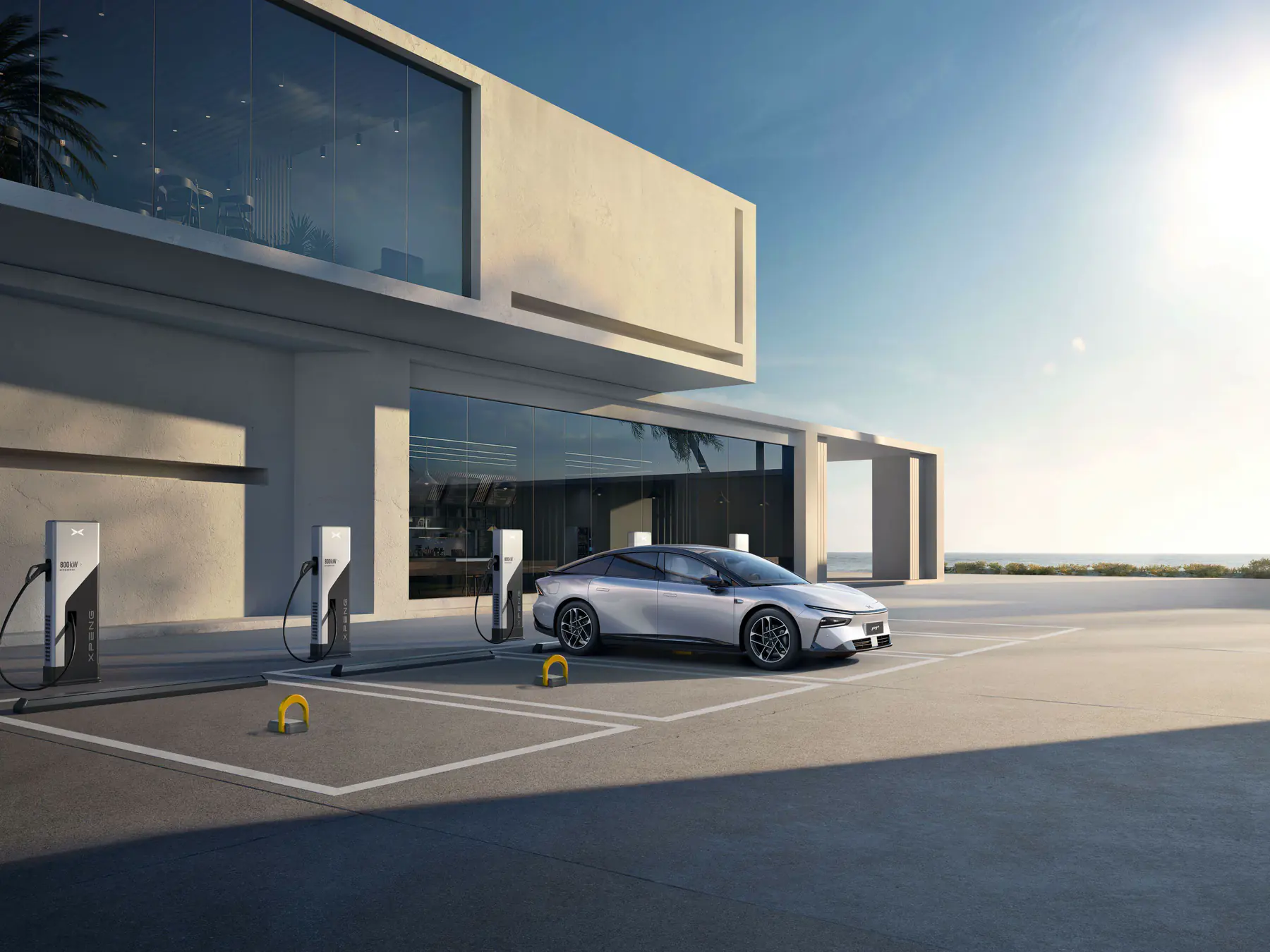
Charging at home
Most charging happens overnight at home, not on the road. Talk to us before delivery about a wallbox and what your building’s supply can carry — it is far easier to arrange before the car arrives than after.